
Attachment Therapy for Relationships | Sandy Springs
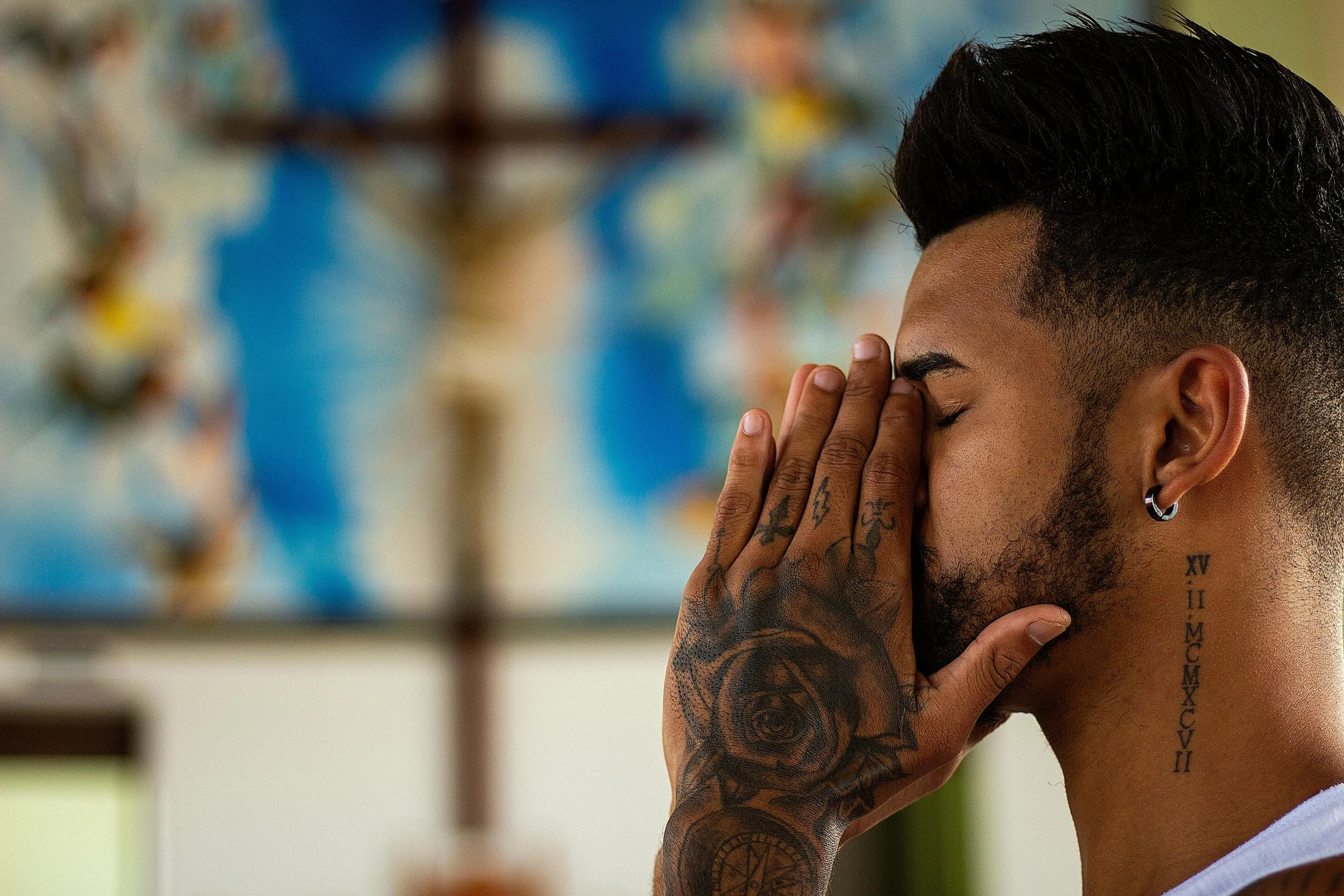
Closer to God. Without the performance.
For the person who still believes — and still feels far away.
Faith can be both a source of strength and a source of struggle. Sometimes it's both at the same time. This page is for all of it.
Your faith life belongs in the room.
You've probably gotten used to keeping it separate. Therapy on one side. God on the other. The clinical work over here, the spiritual life over there. Maybe that felt safer. Maybe it was all that was available.
But the distance you feel from God, from yourself, from the people you love doesn't stay neatly in one category. And healing that only addresses part of the picture tends to leave the rest of it untouched.
This is a space where both are welcome at the same time. Not because your therapist will direct your faith, but because here it isn't a no-go zone.
WHO THIS IS FOR
The person who wants God back in the room.
You still believe. Or you want to. But somewhere along the way a gap opened up. Maybe shame told you to keep your distance. Maybe you've been going through the motions of faith without feeling anything on the other side. Maybe prayer feels like sending messages into silence.
You're not too far gone. You're having a completely natural response to some things that were genuinely hard. The distance isn't permanent — it's an attachment pattern. And it can shift.
The person healing from faith that hurt.
Some of you didn't lose faith because you stopped believing in God. You lost a sense of safety because faith was governed by rigid rules, constant evaluation, or fear of being out of alignment. Love was conditional. Doubt felt dangerous. Closeness with God depended on performance, purity, or submission rather than trust.
When faith is organized this way, attachment injury follows. This work holds space for both the wound and the belief — without asking you to choose between them.

THE ATTACHMENT CONNECTION
How you learned to love God mirrors how you learned to love people.
Many of us grew up seeing God through the lens of our caregivers. If love in your household had to be earned — if obedience was required, approval uncertain, or safety unpredictable — there's a good chance that's how you learned to relate to God too.
Anxious. Striving. Wondering if you've done enough to be accepted.
Secure attachment to God looks different. It means internalizing the belief that Jesus already paid for it. Which means when you mess up, the move isn't to hide. It's to run toward Him. The same way a securely attached child runs toward a parent after a fall, not away.
This is the thread that runs through so much of spiritual pain. And it's exactly the thread we work with here.
What This Work Focuses On
This therapy addresses attachment injuries that formed in spiritual contexts — and the patterns that keep you from experiencing closeness with God, yourself, and others.
Fear-based obedience and chronic self-monitoring
Shame responses that activate after doubt, anger, or “failure”
Difficulty trusting God without bracing for correction
Confusion between spiritual conviction and emotional harm
Guilt for needing support outside religious authority
The gap between knowing God is close and feeling it
Performing faith rather than living it
Spiritual dryness that keeps returning no matter how hard you try
If part of this work involves forgiveness of others, yourself, or God, see
This Is Not…
Spiritual direction
Religious instruction
Faith defense or deconstruction coaching
Pressure to return, reconcile, or forgive
It is therapy for people whose faith was intertwined with control, performance, or fear—and who are ready to heal without abandoning their spiritual identity.

My Approach to Healing Spiritual Injury
Spiritual injury doesn’t come from belief itself—it comes from how authority, safety, and worth were enforced in the name of faith.
When spiritual environments were rigid, controlling, or fear-based, attachment patterns often formed around obedience, vigilance, and self-silencing. Over time, closeness with God could feel conditional. Questioning felt dangerous. Needing help felt like failure. These patterns don’t dissolve simply because someone leaves a church, tradition, or group. They continue internally.
This work focuses on repairing those attachment injuries.
In therapy, we pay attention to how fear, shame, loyalty, and self-monitoring still show up—especially in moments of vulnerability, doubt, or emotional need. Rather than correcting beliefs or guiding faith decisions, we work with how your body and internal world respond to authority, closeness, and care.
As that internal response shifts, many clients notice meaningful changes:
Less fear when questioning or struggling
Less pressure to perform spiritually or emotionally
More capacity to seek support without self-condemnation
A clearer distinction between conviction and control
For some, this creates space to reconnect with God in a way that feels steadier and more honest. For others, it allows faith to loosen its grip without collapsing identity. The outcome isn’t prescribed. The focus is internal safety, discernment, and self-trust.
This work does not require you to resolve your faith, return to a tradition, or adopt a new framework. It supports your ability to relate (to God, to authority, and to yourself) without fear driving the connection.
You don't have to figure out what you believe before you begin.
You only need a place where your faith, your wounds, and your questions are all welcome in the same room. That's what this is.

Frequently Asked Questions About Faith-Integrated Therapy
-
No. You just have to be open. Faith is welcome in the room but never required. If you've been hurt by religion or the church, that belongs here too.
-
No. Many clients come from spiritual environments where emotional struggle was framed as spiritual failure. This work recognizes that faith can coexist with trauma, attachment injury, and nervous system overwhelm—and that seeking support is not a spiritual shortcut or deficit.
-
No. This therapy does not require you to abandon, resolve, or redefine your faith. It focuses on repairing how safety, authority, and worth were experienced—especially if those were shaped through rigid or controlling spiritual systems.
-
This work is often a good fit for people recovering from high-control or fear-based spiritual environments. Therapy focuses on restoring internal safety, self-trust, and autonomy without replacing one authority system with another.
-
This is therapy. I don’t provide religious instruction, spiritual direction, or guidance on what to believe. The focus is on healing the emotional and relational impact of spiritual experiences, not shaping your theology.
-
That conflict is common when attachment injuries formed in spiritual contexts. This work helps you understand and soften those patterns without pressuring closeness, performance, or resolution.