
Premarital Therapy & Couples Counseling | Sandy Springs, GA

You're not just planning a wedding. You're entering a covenant.
The attachment patterns you each carry will show up in your marriage. Better to meet them now.
Premarital therapy isn't a sign something is wrong. It's what couples do when they take the commitment seriously. We go beneath the logistics — into how you handle conflict, communicate needs, navigate faith, and build a home that actually feels safe for both of you.
When faith is part of the foundation
A lot of premarital therapy treats faith as a category to check, like finances or conflict resolution, something to discuss and move past. That's not what this is.
If your faith is the foundation of your relationship, it belongs at the center of this work, not on a checklist. That means exploring how each of you relates to God, how those patterns shape how you relate to each other, and what it looks like to build a marriage that honors the covenant you're entering — not just the commitment.
You don't have to be in the same place spiritually to show up here. You do have to be open to your faith life being part of the conversation rather than separate from it.
My practice is fully affirming of LGBTQ+ couples.
Love is the Easy Part. Building a Secure Relationship is the Work.

Two people enter a marriage carrying everything they've ever learned about love — from the families they grew up in, the relationships that shaped them, and in many cases, the faith communities that formed them. Most of that comes in unexamined. Premarital therapy is where you examine it together, before it examines you.
This isn't about fixing problems. It's about understanding what each of you is carrying so you can build something that holds.
Maybe you’ve seen unhealthy relationship cycles play out in your family, and you’re determined to do things differently. Maybe you’ve both worked hard on yourselves, but you recognize that love alone isn’t enough to guarantee a secure, fulfilling partnership.
That’s where premarital counseling comes in.
This isn’t just about checking a box before the wedding—it’s about building the skills, trust, and emotional foundation that will sustain your marriage for the long run.
Why Premarital Therapy?
*
Why Premarital Therapy? *
Most couples spend months planning their wedding but never invest in preparing for their marriage. The truth is, love doesn’t erase:
Attachment wounds from past relationships or childhood.
Conflicts in communication styles and emotional needs.
Unspoken expectations about money, family, and intimacy.
Fears around trust, independence, or commitment.
You don’t have to wait until there’s a problem to strengthen your relationship. Premarital counseling gives you the tools to navigate challenges before they arise—so you both feel secure, connected, and aligned from the very start.

What We’ll Cover in Premarital Counseling
-

Understanding Your Attachment Styles in Love
- How early experiences shape the way you show up in relationships
- What happens when different attachment styles interact
- How to create security and trust, no matter your past
-

Communication & Conflict: Learning to Speak & Listen with Intention
- How to express needs without criticism, blame, or shutting down
- How to handle disagreements in a way that strengthens your bond
- How to navigate emotional triggers, repair ruptures, and stay connected
-
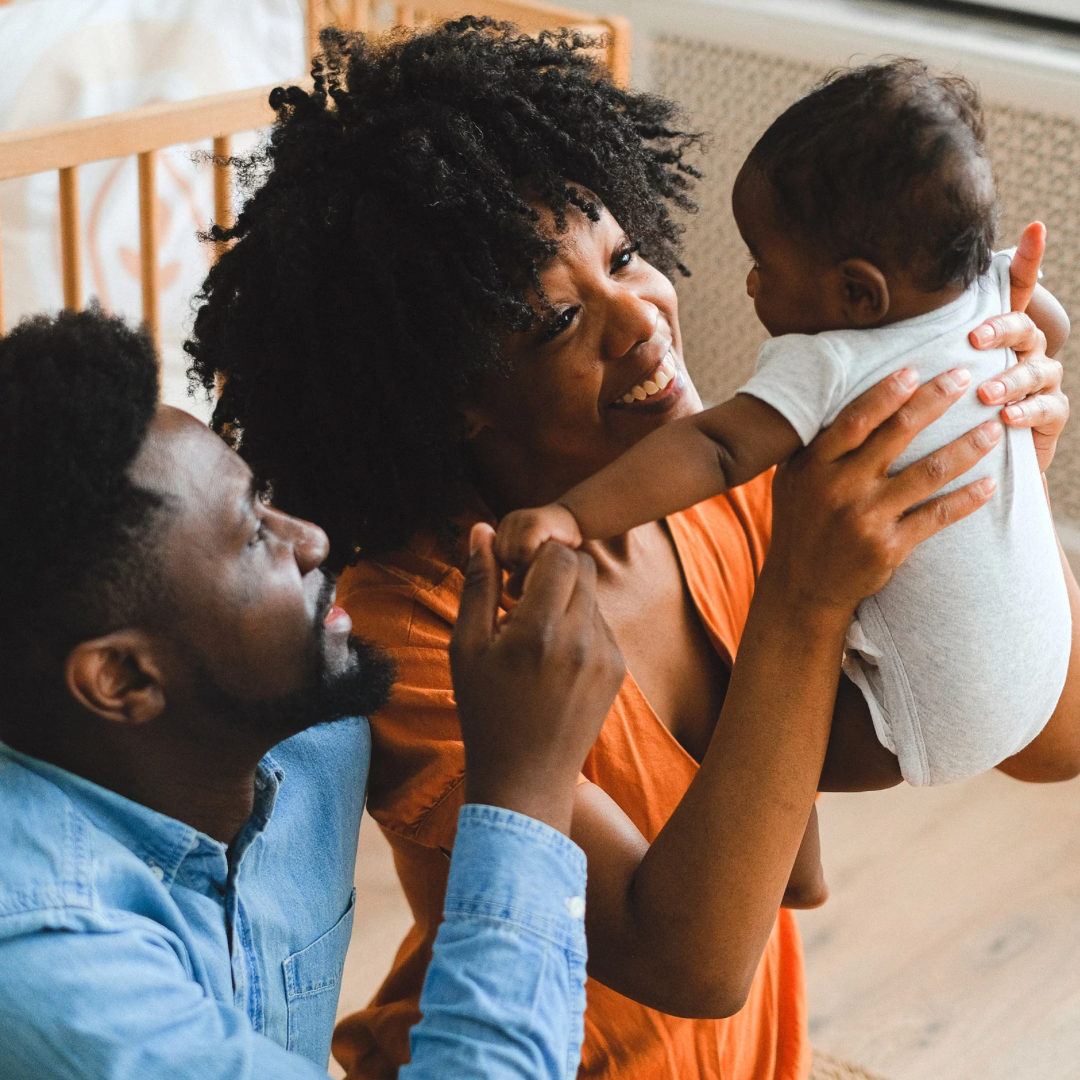
Family Dynamics & Breaking Generational Patterns
- How family expectations, traditions, and unspoken rules influence your relationship
- How to set boundaries while respecting your roots
- How to create your own version of love and partnership—on your terms
-

Navigating Major Life Decisions Together
- Finances, careers, and future goals—how to align your vision for the future
- How to maintain emotional closeness during big transitions (kids, moves, career changes)
- How to support each other’s personal growth while growing as a couple
-

The Emotional Side of Wedding Planning
- Why weddings often trigger old wounds and family tensions
- How to handle differing expectations, guest lists, and financial stress as a team
- How to stay emotionally connected throughout the process
-

Faith, Covenant & Your Relationship with God
-How each of your spiritual backgrounds shapes your expectations for marriage
-What it means to build a covenant rather than just a commitment
-How your individual relationships with God affect how you relate to each other
Pricing & Package Options
$385 per session OR $2200 for the full 6-session package
Includes personalized guidance, structured exercises, and take-home tools to help you grow together.
Many couples invest in the perfect wedding day—but this is about investing in a thriving marriage.
FAQs: Premarital Therapy
-
Yes! Premarital therapy isn’t just for couples with problems—it’s for couples who want to build a strong foundation and prevent future issues. Even the healthiest relationships have blind spots. Therapy gives you tools to navigate future challenges with confidence, deepen your connection, and make sure you're fully aligned before marriage.
-
Church-based premarital programs are valuable and I'd never discourage them. What this adds is the clinical depth — attachment patterns, nervous system work, family of origin dynamics — that most pastoral counseling doesn't go into. Many couples do both. The spiritual foundation from their church community and the clinical and relational tools from this work. They're designed to complement each other, not compete.
-
Yes. Many high-achievers avoid conflict rather than resolve it, which can lead to built-up resentment, emotional distance, or passive patterns over time. Premarital therapy helps you:
✔ Learn healthy ways to navigate disagreements so they don’t escalate
✔ Understand how each of you processes stress and emotions differently
✔ Build emotional safety, so you both feel heard and valuedEven if you don’t argue much now, marriage brings big life transitions—and this is about preparing for those shifts before they happen.
-
Absolutely. Attachment patterns don’t disappear just because you love each other—they show up in:
✔ How you both handle stress and emotional needs
✔ How much closeness or space you each prefer
✔ How you approach big decisions like finances, parenting, and career movesOur work together will help you recognize your patterns, communicate needs more effectively, and create a secure bond—no matter your attachment style.
-
That’s actually a good thing. Many couples push things under the rug until they become major problems later. Therapy gives you a safe space to:
✔ Address concerns before they become bigger issues
✔ Learn to navigate difficult conversations without shutting down
✔ Strengthen your emotional connection so marriage feels even more secureThink of it this way: You wouldn’t skip maintenance on a car just because it’s running fine. Premarital therapy helps keep your relationship strong for the long haul.
-
Not quite. Traditional couples therapy often focuses on resolving current conflicts, while premarital therapy is proactive—it’s about preventing issues before they start.
That being said, if there are areas you already struggle with, we’ll address them head-on and make sure you have the tools to navigate them effectively in marriage.
-
This is really common! One person may be more naturally reflective or have a stronger desire to work on personal growth. That doesn’t mean therapy won’t be helpful—it actually means you’ll learn how to bridge differences in emotional processing and meet each other where you are.
The goal isn’t to force one person to change—it’s to help you both feel more seen, understood, and connected.
-
I offer a 6-session package because it provides the best structure to:
1️⃣ Identify your strengths and growth areas as a couple
2️⃣ Address attachment patterns, communication styles, and family dynamics
3️⃣ Build tools for conflict resolution, emotional safety, and long-term securityHowever, some couples choose to continue beyond the six sessions for deeper work.
-
The best time to start is before stress from wedding planning escalates or before major life transitions begin.
Many couples begin 6-12 months before their wedding, but if your date is sooner, we can adjust sessions to fit your timeline.
-
I do not accept insurance, as therapy is a long-term investment in your relationship—not just a short-term fix. Many couples use HSA/FSA accounts to cover the cost.
Think of it this way: You’re investing in the success of your marriage, not just the wedding day.
-
Simple! Schedule your first session here →
I’d love to help you build a relationship that feels strong, connected, and truly secure-now and for years to come.
You don't have to have everything figured out before you begin.
You just have to be willing to do the work together. That's where this starts.
Premarital Blog
-

Are We Ready for Marriage? 5 Signs You’re on the Right Path (and 3 Red Flags to Watch For)
You’ve found your person. You love each other. You’re planning your future together.
But deep down, you might still wonder: Are we truly ready for marriage?
This is completely normal. Love alone doesn’t automatically mean a relationship is prepared for the realities of marriage. The good news? You don’t have to be “perfect” to be ready—you just need the right foundation.
Here are five signs you’re on the right path (and three red flags you shouldn’t ignore).
-

How Your Attachment Style Affects Your Marriage (and How to Build Security as a Couple)
Marriage isn’t just about love—it’s about how you and your partner relate to one another.
Why do some couples feel effortlessly secure, while others struggle with emotional distance, misunderstandings, or cycles of conflict? Often, it comes down to attachment styles—the patterns we develop in childhood that shape how we connect, communicate, and navigate intimacy in adulthood.
If you’ve ever wondered why you and your partner experience conflict in a certain way, or why one of you seems to crave closeness while the other needs space, understanding attachment theory can help.
-

The Hidden Ways Your Childhood Shapes Your Relationship—And How to Break Unhealthy Cycles
Relationships don’t just happen in the present. Whether you realize it or not, the way you communicate, express love, handle conflict, and even choose partners is deeply influenced by your early childhood experiences.
Maybe you’ve found yourself repeating patterns in relationships—attracting emotionally unavailable partners, struggling with trust, or feeling like you have to earn love. These patterns aren’t random. They often stem from how love, connection, and security were modeled for you growing up.